Which of the following is true about cyberbullying
Cyberbullying is a growing concern in our digital age. It involves using technology to harass or intimidate others. This behavior can have serious consequences for both victims and perpetrators. Understanding cyberbullying is crucial for prevention and support.
Many people wonder about the legal implications of cyberbullying. Can you go to jail for cyberbullying? The answer varies by location. Victims often feel isolated and helpless. Knowing the appropriate response to being cyberbullied is essential.
Parents, educators, and communities play a vital role in addressing this issue. They can help create a safer online environment. This article explores the facts about cyberbullying, its effects, and how to respond effectively.
What Is Cyberbullying? Key Facts and Definitions
Cyberbullying occurs when digital platforms are used to harass, threaten, or embarrass someone. It happens on social media, via text messages, emails, and online forums. This type of bullying can happen any time, day or night.
Unlike traditional bullying, cyberbullying follows the victim everywhere. The impact is often severe, causing emotional stress and mental health issues. Online harassment can lead to anxiety, depression, and even suicidal thoughts.
Key aspects of cyberbullying include intent and repetition. Not every negative comment or interaction qualifies as cyberbullying. Intent to harm and continuous behavior are crucial elements.
Below are some vital facts and statistics about cyberbullying:
- Cyberbullying can target anyone, regardless of age.
- The anonymity of the internet often emboldens bullies.
- Many victims of cyberbullying do not report the incidents.
To understand its scope, consider the role technology plays in both enabling and addressing the issue.

Understanding cyberbullying helps in crafting appropriate responses and prevention strategies.
Common Myths and Misconceptions About Cyberbullying
Misconceptions about cyberbullying often cloud understanding. Some believe that only children are affected, which is untrue. Adults can also be victims of online harassment.
Another myth is that cyberbullying is not as harmful as physical bullying. In reality, its emotional impact can be just as damaging, if not more so. The effects of relentless cyberbullying can last much longer.
People often think cyberbullying is easy to stop. Blocking a bully does help, but it does not fully solve the problem. Bullies can find other ways to continue their harassment.
Below are common myths about cyberbullying:
- Cyberbullying only happens to teenagers.
- It is easy to identify bullies online.
- Online harassment is not a serious issue.
These misconceptions hinder efforts to combat and prevent cyberbullying effectively. Recognizing them is the first step toward addressing the real issue. Understanding and awareness can dismantle these false beliefs.
Which of the Following Is True About Cyberbullying? (Quiz-Style Facts)
Cyberbullying is a growing issue with serious implications. Many are unaware of the facts surrounding it. Test your knowledge with these quiz-style facts to see how much you know.
Understanding the reality of cyberbullying is crucial. It not only affects emotional well-being but also impacts social and academic life. Identifying the truth helps in recognizing and addressing the problem effectively.
Read the statements below and decide which are true:
- Cyberbullying can occur 24/7 and is relentless.
- Anonymity on the internet makes cyberbullying less harmful.
- Victims can pursue legal action against cyberbullies.
Surprised by some of the facts? Awareness is a key step in combating the issue. Knowing these truths helps in taking appropriate measures against cyberbullying. Understanding its complexity is essential for parents, educators, and communities to support victims effectively.
Legal Consequences: Can You Go to Jail or Sue for Cyberbullying?
Cyberbullying might seem like online banter, but it can lead to serious legal troubles. In some places, cyberbullying is considered a criminal offense. It could even result in jail time for severe cases. The digital footprint left by bullies can be used as evidence in court.
Victims might wonder if they can sue someone for cyberbullying. The answer is yes. Some jurisdictions allow civil lawsuits seeking damages for emotional distress. Legal action can help victims gain a sense of justice.
Understanding the laws around cyberbullying is vital. Not all countries have specific cyberbullying laws, but many use harassment statutes. Legal consequences vary widely depending on the region and the severity of the incident.
Here are some potential legal actions related to cyberbullying:
- Criminal charges: May include fines or imprisonment.
- Civil lawsuits: For monetary damages or restraining orders.
- School discipline: Expulsions or suspensions in school settings.
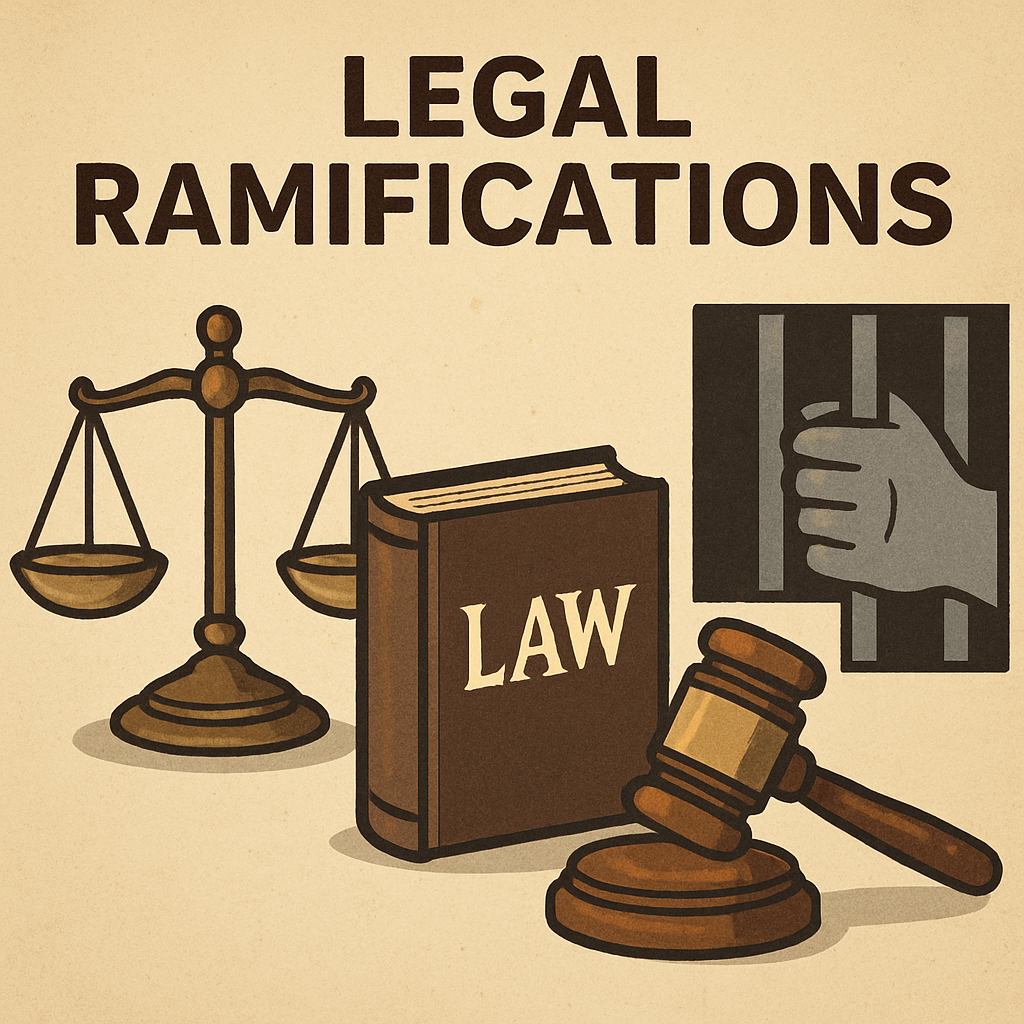
These consequences serve as a caution to those engaging in cyberbullying. They also provide pathways for victims seeking relief and support. Understanding the legal framework can empower victims and encourage accountability for perpetrators.
Which of the Following Does Not Constitute Cyberbullying?
Not all online behavior qualifies as cyberbullying. Intent and repetition play key roles in distinguishing harmful actions. Understanding what does not count as cyberbullying is just as important as recognizing what does.
For instance, a single instance of a harsh comment, though unpleasant, may not be bullying. There must be a pattern of behavior with intent to harm or intimidate. Individuals should be cautious before labeling incidents as cyberbullying.
Consider the scenarios that usually do not qualify as cyberbullying:
- Constructive criticism: Offered with the intention to help.
- One-time arguments: Without recurring threats or harassment.
- Misunderstandings: Arising from miscommunication or unintended offense.
Being clear on these distinctions helps in accurately addressing online issues. It also ensures that cyberbullying is identified and dealt with appropriately.
Why Is Shaming Children on Social Media Considered Cyberbullying?
Shaming children on social media can have devastating effects. It’s seen as cyberbullying due to its lasting negative impact. The public nature of social media amplifies the harm.
When children are shamed online, they often feel humiliated. This can lead to anxiety, depression, and low self-esteem. The digital footprint left behind can haunt them for years.
Key reasons why shaming is considered cyberbullying include:
- Public exposure: Reaches a large audience, increasing impact.
- Permanent records: Can be revisited or reshared long after the incident.
- Psychological harm: Induces fear, shame, and social isolation.

Addressing such behavior is essential in promoting a safe online environment. Efforts should focus on empathy and kindness.
Which Is the Most Appropriate Response to Being Cyberbullied?
Responding to cyberbullying with calm and precision is crucial. Ignoring or reacting impulsively can sometimes worsen the situation. It’s important to have a thoughtful strategy.
Documenting the incidents provides solid evidence. Collect screenshots and record dates to build a comprehensive case. This can be valuable if further action is needed.
Blocking and reporting the bully on the platform is a pivotal step. Most digital platforms have mechanisms for users to address abuse. Utilize these tools to impede the bully’s actions.
Consider sharing your experience with a trusted adult or friend. They can provide guidance and support. Key actions to take include:
- Document evidence: Screenshots and timelines
- Block and report: Use platform tools
- Seek support: Talk to trusted individuals
Adopting these strategies can help maintain control and minimize harm.
Effects of Cyberbullying: Emotional, Social, and Academic Impact
Cyberbullying leaves deep emotional scars on victims. They often experience anxiety and depression. These emotional effects can be long-lasting and severe.
The social impact of cyberbullying is equally devastating. Victims may withdraw from friends and social activities. They can feel isolated and misunderstood by their peers.
Academic performance often suffers as a result of cyberbullying. Victims may struggle to concentrate on schoolwork. The stress of bullying can lead to absenteeism and lower grades.
Here are some key effects of cyberbullying:
- Emotional: Anxiety, depression, low self-esteem
- Social: Isolation, withdrawal, damaged relationships
- Academic: Decline in grades, absenteeism

Each aspect of a victim’s life is interconnected, amplifying the trauma. Understanding these impacts is vital for offering effective support.
Prevention and Support: What Parents, Schools, and Communities Can Do
Prevention starts with awareness and education. Parents should teach children about online safety and respect. Understanding digital etiquette is key to preventing cyberbullying.
Schools play a crucial role in addressing cyberbullying. Implementing anti-bullying policies and workshops can be effective. Training educators to handle cyberbullying issues is essential.
Communities also share responsibility in curbing cyberbullying. They can organize campaigns to raise awareness. Supporting victims and promoting a culture of empathy can make a difference.
Here are some strategies to prevent and address cyberbullying:
- Parents: Educate and monitor online activities
- Schools: Implement and enforce anti-bullying policies
- Communities: Raise awareness and support victims

Together, these measures create a safer online environment. Collaboration among parents, schools, and communities is vital. It helps reduce cyberbullying incidents and offers better support to victims.
Should Cyberbullying Carry Legal Consequences?
Cyberbullying can cause significant harm, both emotionally and psychologically. Many believe these actions deserve serious repercussions. Legal consequences can act as a deterrent to potential bullies.
Legal actions vary by region, but they emphasize the severity of the crime. In severe cases, cyberbullying may involve threats or harassment, warranting legal scrutiny. These incidents can lead to fines, restraining orders, or even imprisonment.
Here are some reasons why legal consequences for cyberbullying might be justified:
- Deterrence: Legal actions can discourage potential bullies.
- Accountability: It holds perpetrators responsible for their actions.
- Justice: Provides victims with a sense of resolution.
Balancing justice and education is crucial. The goal is to reduce cyberbullying while helping offenders understand the impact of their actions. Legal frameworks must evolve alongside digital technology to remain effective.
Conclusion: Building a Safer Digital World
Cyberbullying poses a significant threat in today’s digital age. Addressing it requires a collective effort from individuals, schools, and communities. By fostering digital literacy and empathy, we can create a more respectful online environment.
Everyone has a role to play in mitigating cyberbullying. Encouraging open dialogue and awareness can empower individuals to stand against it. Together, we can build a safer, more supportive digital world for future generations.
Frequently Asked Questions About Cyberbullying
1. What exactly is cyberbullying?
Cyberbullying refers to the use of digital tools—such as social platforms, text messages, emails, or online forums—to menace, shame, or emotionally wound another person. Unlike traditional bullying, it can persist without pause and follow the victim wherever they go.
2. How is cyberbullying different from offline bullying?
While physical bullying is confined to specific locations or times, cyberbullying is unbounded. It can occur at any hour, leave permanent digital traces, and reach audiences far beyond the immediate environment.
3. Can someone be jailed for cyberbullying?
Yes, in certain jurisdictions cyberbullying may attract criminal penalties, particularly when it involves threats, stalking, or sustained harassment. Consequences can include fines or imprisonment.
4. Can victims sue cyberbullies?
In many regions, victims may pursue civil lawsuits for emotional harm, reputational damage, or other psychological injuries. Courts often recognize cyberbullying as grounds for compensation or protective orders.
5. Are all hurtful comments considered cyberbullying?
No. A single rude remark or isolated argument does not automatically qualify. Cyberbullying usually involves deliberate intent to harm and repeated actions over time.
6. What does not constitute cyberbullying?
Instances such as constructive criticism, one-time disagreements, or misunderstandings caused by unclear communication do not typically fall under cyberbullying.
7. Why is publicly shaming children online considered cyberbullying?
Public humiliation on social media leaves long-lasting emotional scars and exposes children to large audiences. The permanence of digital platforms amplifies embarrassment and can deeply affect their self-esteem and mental well-being.
8. What is the most appropriate way to respond to cyberbullying?
Victims should document every incident, block and report the offender on the platform, and confide in a trusted individual. Gathering evidence strengthens any future action taken.
9. What emotional effects can cyberbullying cause?
Victims frequently endure anxiety, depression, and feelings of inadequacy. These emotional burdens may persist long after the harassment stops.
10. Does cyberbullying affect academic or social life?
Absolutely. Victims may withdraw socially, avoid activities, or experience difficulty concentrating, leading to falling grades or increased absenteeism.
11. Who plays a role in preventing cyberbullying?
Parents, educators, and community groups all share responsibility. Guiding young people in digital behaviour, enforcing school policies, and promoting awareness are essential prevention strategies.
12. Should cyberbullying carry legal consequences?
Many believe it should, as legal frameworks can deter harmful behavior, provide justice to victims, and hold perpetrators accountable. Laws continue to evolve to address modern digital challenges.
13. How can communities foster a safer digital environment?
By encouraging empathy, teaching responsible online conduct, supporting victims, and cultivating open discussions about digital harm, communities can significantly reduce the prevalence of cyberbullying.